Typically found around Water
|
Typically found On Dry Land
|
Venomous Pit Vipers (Family Viperidae), Eyes have Vertical Pupils
|
Snakes in Action or @ Rest
|
Rat Snakes, Often called Chicken Snakes
|


Our Observations on Snakes
Out in the Big Thicket, there can be any kind of snake anywhere any time of day. However, there are some characteristics that apply to snake behavior
the majority of the time. When the temperature gets above 65 F in the spring, they come out in a hurry. Rat snakes and ribbon snakes come out first.
Racers, Coachwhips, and the venomous snakes seem to come out when it gets above 75 F. When it gets above 90 F, most of the snakes go nocturnal.
What throws a curve in this is the fact the creeks in the preserve are mostly spring fed with cool water. So, things run on a bit of different cycle.
1) Broad Banded Water Snakes: They stay around water. They come out to warm up and rest. They can get to be at least five ft. in length. We have seen
them most often in mid-morning, always near water. The bands can be bold or kind of dull.
2) Diamondback Water Snakes: They hunt in the water and prefer the water. They come out to warm themselves and digest meals. You can find them just
laying on the bank, or laying out on logs, always around water. They can be large, at least six ft. in length. There is no Texas snake that is as big around as
they can be(circumference). They seem to get active right at dark.
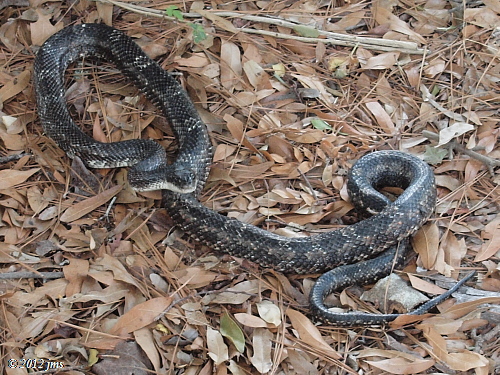
3) Rat Snakes: These guys can climb and move quick. They like brush piles, wood piles, and piles of anything to hide and semi-open country to hunt.
They can glide from tree to tree by using limbs to get to bird nests, with ease. They can get long, over six ft. and have a variety of color forms, but with
generally the same shaped top and side blotches. They are most often seen from dawn up to about noon.
4) Racers and Coachwhips: These snakes like more open country. They are not fond of brush piles. Knee high grasses/weeds with shrubs seems to be the
favorite hunting territory. They like it warm and are out in mid-day to mid evening. They are the fastest moving snakes we have seen. Most of them are
long and lean, built for speed. They cruise around, head slightly raised, looking for skinks, lizards, and frogs. One of the racers we have seen was at least
six ft. in length. The coachwhips seem to be around five ft. These snakes run away when you get close, at a high speed.
5) Cottonmouth: If someone tells you they saw a six ft. water moccassin, they probably didn't. Here in east Texas, if you see one over three ft. you have
seen a monster. They hold their ground if you get close, and very seldom run. They hang around close to water, but also like thick brush cover with briars,
or thorny bushes. The majority of the ones we have seen are right at sunrise or sunset. Look close at the head and eyes, thats the key to identifying them.
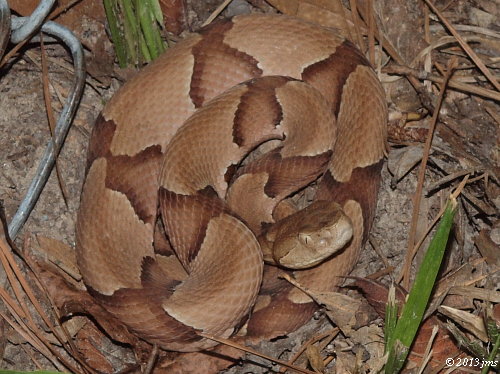
6) Copperheads: Three ft. is about the maximum length on these, but they can get a big girth. Some are aggressive, others are not. They like to eat toads.
They hunt in medium grass and short brush country and the majority of the ones we have seen are at sunrise and sunset. They also like heavy leaf litter, no
doubt due to the fact that you can't spot them if they stay stationary. Some will run from you, others will not. They will vibrate their tail if spooked.
7) Ribbon Snakes: There are several sub-species of these. We have seen the base color from a dull grey-green to almost a flourescent green.
They are the best frog hunters we have seen. They can move very fast if needed and have no problem with water. They seem to like to cruise around on
banks of creeks, hunting. They are about three ft. maximum in length, but around two ft. is a lot more common. They can be skinny or a little heavy. We
have also seen them a long way from any water. Try to check for the white spot on the top of the head. This seems to be there, regardless of base color.
We have found them at all times of the day, until the summer heat moves in.
8) Texas Brown Snake: These are usually short, about 18 inches maximum. Some are shorter and fat, others are longer and skinny. They hide under leaf
litter and rock piles. They can get mad if you try to pick them up, and will strike at you. They can be seen anytime.


Nerodia fasciata confluens
|
Nerodia fasciata confluens
|
Nerodia fasciata confluens
|
Nerodia fasciata confluens
|
Nerodia fasciata confluens
|
Nerodia fasciata confluens
|
Nerodia erythrogaster spp.
|
Nerodia erythrogaster spp.
|
Nerodia erythrogaster spp.
|
Pantherophis obsoleta spp.
|
Pantherophis obsoleta spp.
|
Pantherophis obsoleta spp.
|
Pantherophis obsoleta spp.
|
Pantherophis obsoleta spp.
|
Pantherophis obsoleta spp.
|
Coluber constrictor etheridgei
|
Coluber constrictor etheridgei
|
Coluber constrictor etheridgei
|
Coluber constrictor etheridgei
|
Coluber constrictor etheridgei
|
Coluber constrictor etheridgei
|
Coluber constrictor etheridgei
|
Lampropeltis getula holbrooki
|
Lampropeltis getula holbrooki
|
Lampropeltis getula holbrooki
|
Masticophis flagellum flagellum
|
Masticophis flagellum flagellum
|
Masticophis flagellum flagellum
|
Masticophis flagellum flagellum
|
Masticophis flagellum flagellum
|
Masticophis flagellum flagellum
|
Cottonmouth Snake(Agkistrodon piscivorus ssp.)
|
Southern Copperhead Snake (Agkistrodon contortrix contortrix)
|
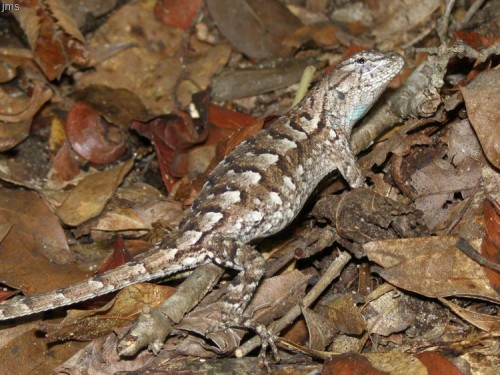
Sceloporus undulatus ssp.
|
Sceloporus undulatus ssp.
|
Cnemidophorus sexlineatus
|
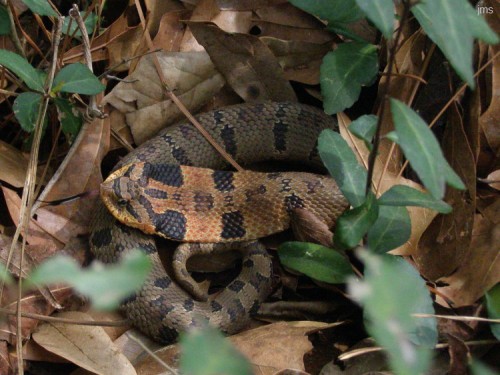
Eastern Hognose Snake(Heterodon platirhinos), Variations
|
Lampropeltis getula holbrooki
|
(100 Images, Updated 5/30/13)
|
Nerodia erythrogaster flavigaster (large adult)
|
Note: Genus changed from Elaphe to Pantherophis, recently.
|
Pantherophis obsoleta spp.
|